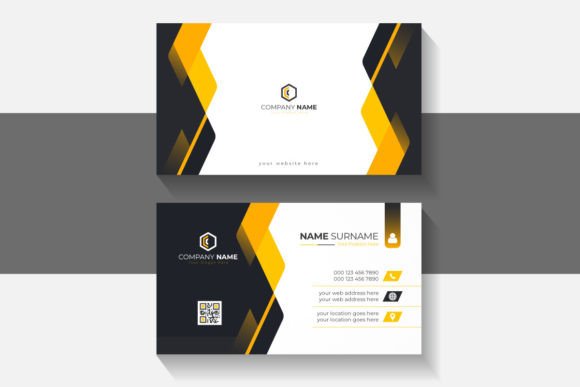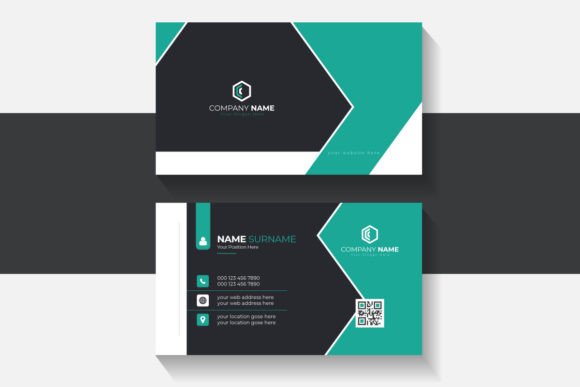
Modern Business Card Design Template: First Impressions That Stick
You’re at a networking event, a coffee shop, or a client meeting. The conversation flows, you find common ground, and the moment arrives to exchange contact info. You reach into your bag and pull out a business card. In that split second, before a single word is read, the card itself speaks. Is it flimsy? Dated? Or does it feel substantial, clean, and intentional? A modern business card design template isn’t just a piece of paper with your details; it’s a tactile handshake, a visual promise of the quality and professionalism you bring to the table. For entrepreneurs, creatives, and professionals across industries, this small rectangle is a powerful brand ambassador.
Beyond the Basics: What Makes a Template Truly Modern?
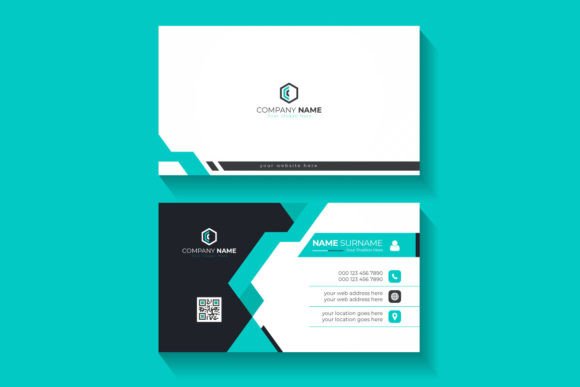
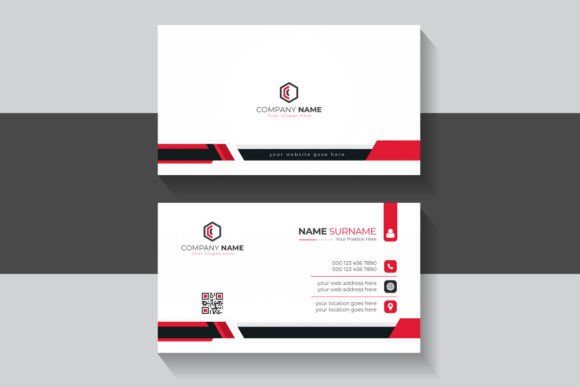
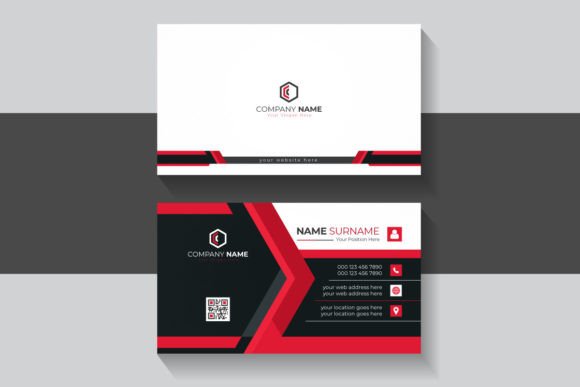
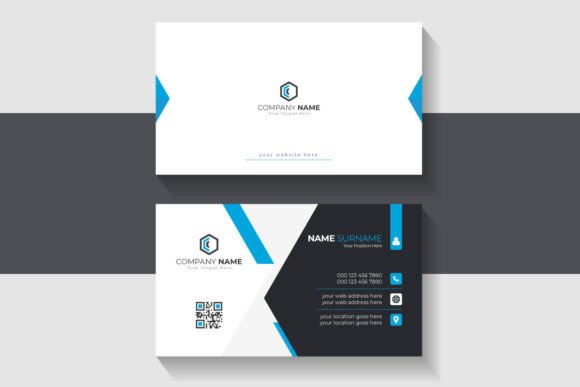
When we talk about a "modern" design, we’re not chasing fleeting trends. We’re talking about a timeless aesthetic rooted in clarity, function, and sophisticated simplicity. A well-crafted template, like the one described here with its 1200×800 pixel canvas and RGB color mode, is built for the hybrid world we live in. The generous pixel dimensions ensure your design looks crisp and detailed when shared digitally—on a website portfolio, in an email signature, or as a social media post. The RGB color mode is perfect for screen-based presentations and digital-first branding, ensuring vibrant colors on monitors and devices. This is a template designed for the modern professional who lives online as much as offline.
The real power lies in the editable files—those Illustrator EPS vectors and included images. This isn’t a static, locked-down PDF. It’s a living design system. The professional and clean file structure means every object, color, and line of text is at your fingertips. Want to swap the accent color to match a new brand palette? Done. Need to adjust the font size for better readability? Easy. This level of control is what separates a generic card from a custom brand asset. It’s about creating visual consistency across every touchpoint, from your business card to your website header to your Instagram story template.
Practical Applications: Where This Template Shines
Think of this design template as a foundational blueprint for your entire visual identity. Its modern, clean aesthetic is a chameleon, adapting seamlessly to a multitude of projects. For a startup founder, it’s the starting point for a cohesive brand identity system. The same clean lines and balanced layout can inform the design of letterheads, presentation decks, and social media graphics. For a freelance graphic designer or photographer, it’s a quick, professional way to create not just a business card, but also a mini-portfolio card or a thank-you note insert for client packages.
The applications extend far beyond print. Use the template as a base for creating eye-catching social media graphics. The 1200×800 size is ideal for platform posts or story backgrounds. Adapt the layout for website banners or blog post featured images to maintain a unified look. For those in product-based businesses, the clean design principles can be translated into packaging design elements, hang tags, or stickers. Even for digital products like e-books or online courses, the template’s typography and spacing can guide the creation of professional-looking marketing assets and editorial layouts. It’s a versatile tool for anyone needing to produce polished print materials, from posters and invitations to merchandise mockups.
The Engine of Professional Presentation: Fonts and Editability
A modern design’s impact is often determined by its typography. This template’s use of a free, professional font is a huge practical advantage. It removes the cost barrier and licensing headaches, allowing you to implement a high-quality sans serif font or a clean serif font immediately. But the key is the "fully editable" nature. You’re not stuck with the suggested typeface. You can test font pairings that better suit your voice. Perhaps you want to pair a bold, geometric sans serif for your name with a light, elegant script for your tagline. The editable files let you experiment freely, ensuring the final product aligns perfectly with your brand identity.
This editability is crucial for readability and audience engagement. You can adjust kerning, leading, and point sizes to ensure your contact information is effortlessly legible, whether the card is held at arm's length or viewed on a phone screen. You can test color contrast between text and background to meet accessibility standards. This isn’t just about looking good; it’s about being functional and user-friendly. A professional presentation builds trust, and trust is the currency of business.
Making It Your Own: Strategic Customization
Having a powerful template is one thing; using it effectively is another. Start by defining the core message of your brand. Is it innovative, trustworthy, playful, luxurious? Let that guide your color choices within the RGB spectrum. A fintech app might use a deep blue and electric green, while an organic skincare brand might opt for muted earth tones. The template provides the structure; you inject the personality.
Next, consider the hierarchy of information. Your name or business name should be the most prominent element, followed by your title and contact details. Use the template’s grid and alignment tools to create a clean, scannable layout. Don’t be afraid of white space—it’s what gives the design room to breathe and makes it feel modern. Finally, think about the finish. While the digital file is in RGB, when you go to print, you’ll convert to CMYK. Discuss paper stock with your printer— a matte finish can feel sophisticated and modern, while a spot UV gloss on your logo can add a tactile, premium touch.
This modern business card design template is more than a download; it’s a launchpad. It provides the professional foundation—clean files, correct specs, and a timeless aesthetic—so you can focus on what truly matters: building relationships and communicating your unique value. In a world of digital noise, a thoughtfully designed physical object can cut through and make a lasting, tangible connection. Use it as the cornerstone of a consistent, recognizable, and engaging brand presence, online and off.