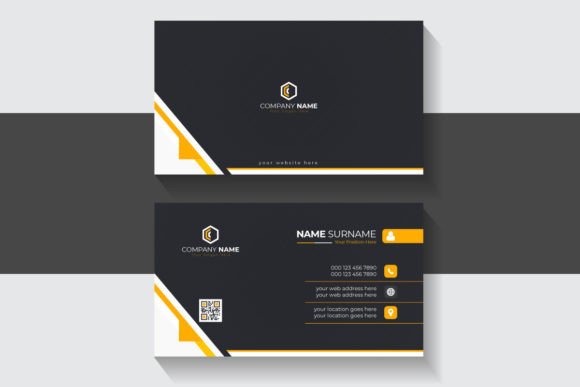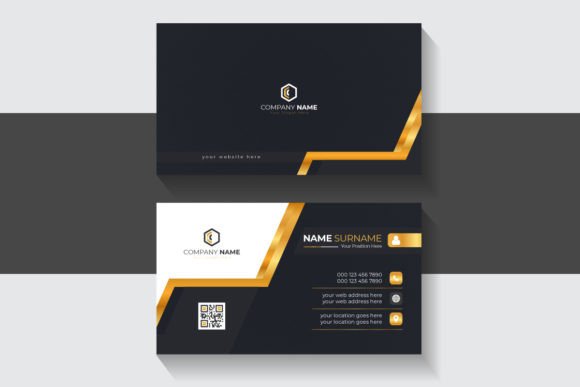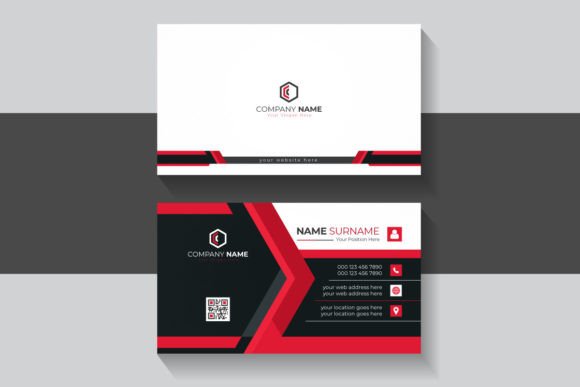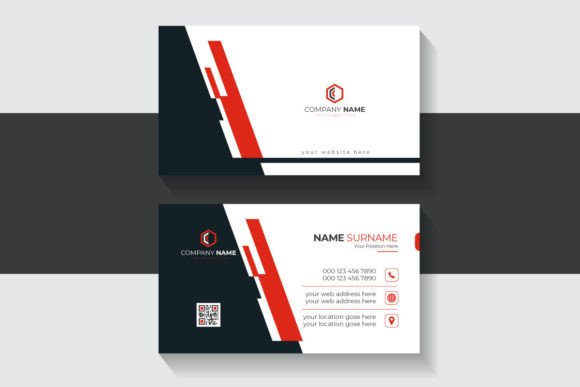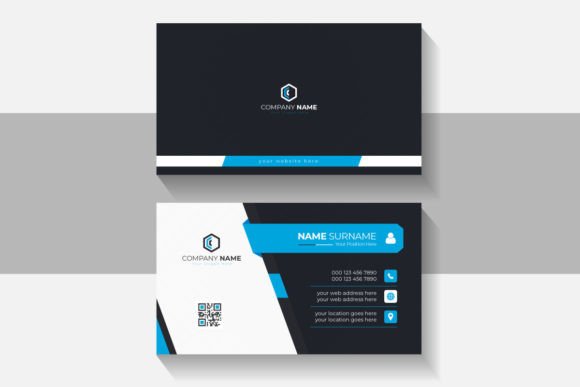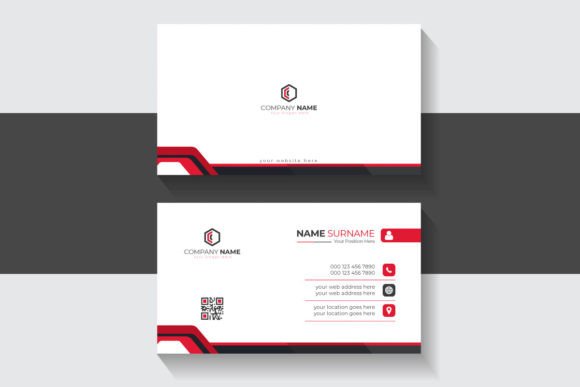
Modern Red Line Style Business Card: Bold Branding in Action
There’s a reason why bold design choices stick in our minds. In a world saturated with muted tones and minimalist approaches, a striking visual element can be the difference between blending in and being remembered. This is precisely the power harnessed by the modern red line style business card template. It’s not just a collection of shapes and text; it’s a deliberate visual statement. The clean, sharp lines paired with the energetic pulse of red create a dynamic that communicates confidence, precision, and contemporary flair. For any entrepreneur, freelancer, or creative professional, this isn’t merely a piece of paper—it’s a tactile handshake that introduces your brand’s personality before a single word is spoken.
The Anatomy of a Visually Striking Template
What sets this professional visiting card design layout apart is its fusion of structure and vibrancy. The design leverages the psychological impact of red—a color associated with energy, passion, and action—as a core design element, not just an accent. These red lines aren’t random; they guide the eye, create visual pathways, and segment information in a way that feels both organized and energetic. The layout is crafted for clarity, ensuring your name, title, and contact details are instantly accessible amidst the bold graphics. It’s a masterclass in balance: the professionalism of a clean, structured layout meets the creative punch of a modern color palette. The included features, such as the 1200×800 pixel size in RGB color mode, are optimized for both digital previews and high-quality print, making it a versatile asset from screen to press.
More Than a Card: A Hub for Brand Consistency
Thinking of this design asset solely as a business card template is to see only a fraction of its potential. True brand identity is built on consistency across every touchpoint. The visual language of this modern red line style—its specific use of geometric forms, negative space, and the bold red hue—can become the cornerstone of your entire branding system.
- Social Media & Digital Presence: Adapt the red line motifs for Instagram story templates, LinkedIn banner graphics, or YouTube channel art. The consistent use of the color and style creates immediate visual recognition across platforms.
- Marketing Collateral: Extend the design to flyers, presentation decks, and email headers. A cohesive look between your business card and a proposal you send reinforces your professional image.
- Packaging & Merchandise: For product-based businesses, incorporating these design elements into packaging labels, thank-you cards, or even merchandise tags elevates the unboxing experience, making it feel curated and premium.
- Editorial & Web Design: Use the color scheme and line work as inspiration for website accents, blog post graphics, or magazine layouts, ensuring your digital and print editorial content feels unified.
This approach transforms a single design into a comprehensive brand identity toolkit. The fully editable files included in the package—like the Illustrator EPS files—mean you’re not just getting a static image. You’re getting the building blocks to deconstruct, recolor, and reapply these elements wherever your brand needs to appear.
Practical Guidance for Implementation and Customization
Acquiring a powerful design template is the first step; implementing it effectively is where the magic happens. Here’s how to ensure this asset works hard for your brand:
Customize with Purpose: The template is fully editable, but change isn’t always better. Before altering colors or fonts, ask what the change communicates. Swapping the red for a deep blue might convey trust instead of energy. Use the provided free font as a starting point, but ensure any replacement aligns with your brand’s voice—whether that’s a sharp sans serif font for a tech company or a sophisticated serif font for a luxury consultancy.
Prioritize Readability: A stunning design fails if contact information is hard to read. Test your customized card at actual size. Print a sample. Check the contrast between text and background. The professional layout should handle this well, but your unique edits need the same scrutiny. This is especially critical for print materials where resolution and ink absorption matter.
Font Pairing Strategy: If you decide to introduce a secondary typeface, do so sparingly. A common and effective strategy is to pair a bold, clean display font for your name with a highly legible sans serif font for details. Avoid pairing two strong, competing fonts. The goal is harmony, not a typographic battle.
Understand the License: The package likely comes with a commercial license, but always double-check the terms. This is crucial if you plan to use the design on merchandise for sale or as part of a product you sell to clients. Knowing the boundaries ensures you can use this creative font and design asset confidently and legally.
Who Stands to Gain the Most?
This style resonates particularly well with professionals and businesses in dynamic fields. Creative entrepreneurs, architects, consultants in innovation or marketing, fitness brands, and tech startups can leverage its energy to mirror their brand ethos. It’s equally potent for content creators and bloggers looking for a strong personal brand visual that cuts through the noise on social media. Even hobbyists selling at craft fairs can use a bold, professional card to stand out, lending a layer of polish that builds immediate trust with potential customers.
Ultimately, the modern red line style business card template is more than a design asset; it’s a strategic tool. It provides a foundation for visual storytelling that is both arresting and professional. By thoughtfully applying its principles across your branding, you create a cohesive, memorable identity that doesn’t just share your contact details—it makes a lasting impression.