Simple Overlapping Wave Layer Background: Modern Chocolate Tones
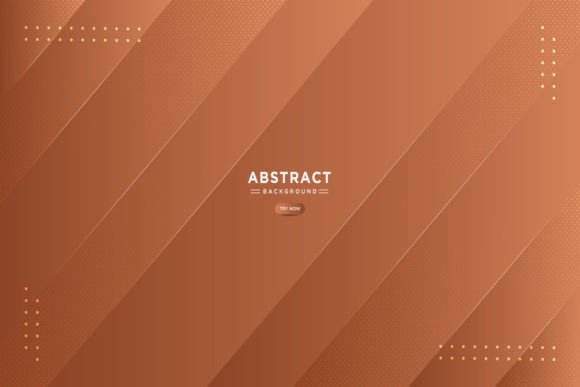
The search for a background that is both visually striking and versatile often ends in frustration. You need something that feels contemporary and professional, yet doesn't overwhelm your main content. This is where the power of a well-executed abstract design comes in. The Simple Overlapping Wave Layer Background with an abstract gradient is a perfect example of this balance. Featuring a trendy lines effect on a rich chocolate color base, this asset provides a sophisticated canvas for countless creative projects, from social media banners to product packaging.
The Visual Appeal of Layered Waves and Gradients
What makes this specific background so effective? It’s a combination of subtle motion and grounded color. The overlapping wave layers create a sense of depth and flow, guiding the viewer’s eye without creating chaos. This is a hallmark of modern typography and design—using shape and form to suggest movement. The abstract gradient adds another layer of complexity, blending tones seamlessly to avoid a flat, static look. Paired with the lines effect, it introduces a subtle texture that adds interest at a micro level.
The chocolate color palette is a strategic choice. It’s warm, inviting, and conveys a sense of reliability and luxury. Unlike stark black or stark white, chocolate offers a softer contrast. This makes it an excellent partner for a wide range of fonts and colors, from crisp whites and creams to vibrant golds and teals. For designers working on brand identity, this color can help position a brand as approachable yet premium.
Practical Applications for Designers and Creators
Understanding the asset is one thing; putting it to work is another. This background’s true value lies in its adaptability across different mediums and projects.
For social media graphics, it’s a game-changer. Instagram stories, Facebook covers, and LinkedIn banners often suffer from generic templates. Using this layered wave background instantly elevates a post, making it look custom-designed. The 1200×800 pixel size is optimized for many digital platforms, ensuring your graphics display crisply without excessive cropping.
In packaging design, texture and color are paramount. A chocolate-toned background with subtle waves can make a product label for gourmet foods, cosmetics, or artisanal goods stand out on a shelf. It suggests craftsmanship. The included Adobe Illustrator EPS files are crucial here, as they allow a designer to scale the design for anything from a small sticker to a large box without losing quality.
For entrepreneurs building a website or blog, consistency is key. This background can be used as a full-page backdrop, a section divider, or a hero image behind a headline. When paired with a clean sans serif font for body text and a distinctive display font for headings, it creates a cohesive and professional look. The fact that all objects, colors, and text are editable means you can tweak the wave opacity or gradient direction to perfectly match your site’s existing color scheme.
Enhancing Your Projects with Editable Design Assets
A major hurdle in using pre-made backgrounds is the lack of flexibility. This asset solves that problem by being fully editable. You aren’t just stuck with the chocolate hue. Want a deep navy version for a corporate client? Or a soft lavender for a wedding invitation? The color mode is RGB, ideal for digital use, but you can easily adjust the palette in your design software to fit any project’s mood.
The inclusion of a free font used in the preview is a thoughtful bonus. It gives you a starting point for typography pairing. However, the real power comes from testing your own combinations. Try pairing this flowing, organic background with a rigid, geometric sans serif font for striking contrast. Alternatively, match it with a elegant script font for a more luxurious, personal feel, perfect for invitations or editorial layouts.
When you download a package that includes Illustrator EPS files and images, you’re investing in a toolkit, not just a single image. You can extract the wave shapes and use them as standalone elements. You can create a pattern from the lines effect. You can use the gradient on other parts of your design. This level of control is what separates amateur projects from professional presentation.
Making Smart Choices for Your Brand and Audience
Choosing a background like this isn’t just about aesthetics; it’s about communication. The smooth, flowing lines can subconsciously communicate innovation, adaptability, and forward-thinking—qualities any brand wants to project. For a small business owner creating a flyer or a content creator designing a YouTube thumbnail, using a cohesive and high-quality background like this improves visual consistency across all touchpoints. Consistency builds recognition, and recognition builds trust.
Before finalizing your design, always consider readability. The abstract nature of the waves should not compete with your message. Use the editable nature of the file to ensure your text—whether it’s a headline on a banner or body copy on a poster—has sufficient contrast. The chocolate background provides a great base, but you may need to add a semi-transparent shape behind your text or choose a font weight that stands out clearly.
Finally, think about your specific audience. A marketing professional creating a campaign for a luxury chocolate brand would find this background almost too perfect. A blogger writing about interior design could use it to evoke a sense of warmth and sophistication. The asset’s versatility is its strength, but tailoring it to your niche is what will make your project resonate. Don’t be afraid to experiment with the layers, adjust the line density, or blend the gradients to create something uniquely yours. This isn’t just a background; it’s a foundation for your next great design.