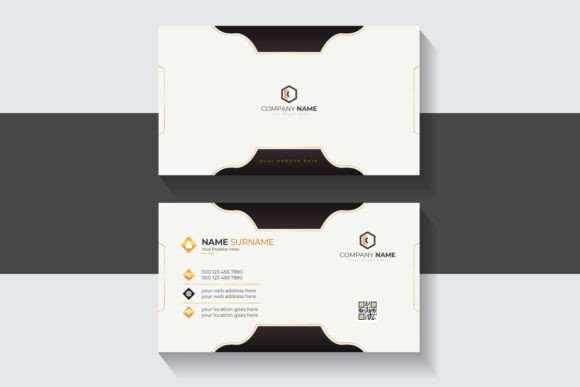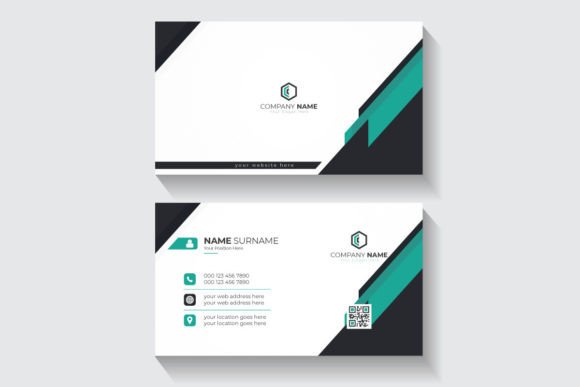
Streamline Your First Impression with a Clean Business Card Design
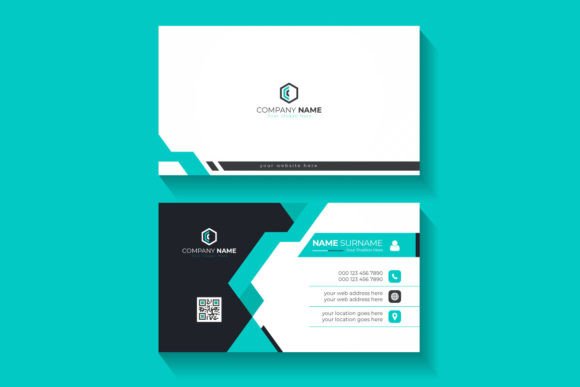
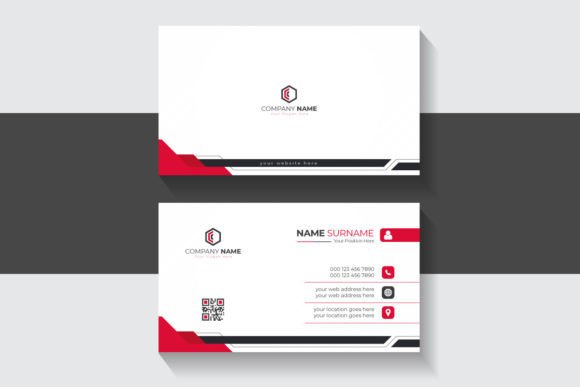
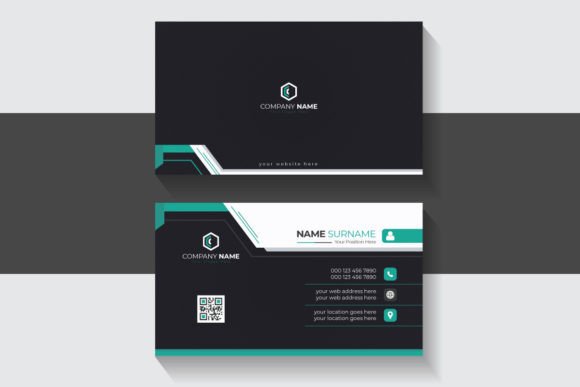
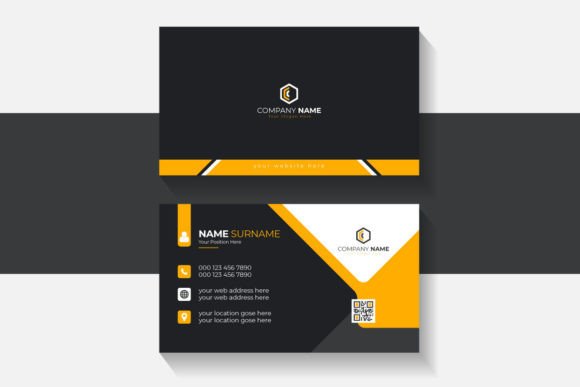
In the fast-paced world of networking and brand representation, your business card is often the first tangible interaction a potential client or collaborator has with your brand. While flashy, over-designed cards can sometimes miss the mark, a modern and simple business card template cuts through the noise. It communicates professionalism, clarity, and confidence without trying too hard. This particular design asset is built for those who value clean lines and efficient communication, offering a versatile foundation that adapts to various industries, from tech startups and creative agencies to minimalist freelancers and corporate consultants.
The Anatomy of Effective Visual Communication
What makes a design "modern"? It is rarely about following a fleeting trend; rather, it is about embracing functional aesthetics. A modern and simple business card template relies on strategic white space, balanced typography, and a limited color palette to create a sophisticated look. The visual appeal lies in its restraint. By stripping away unnecessary ornamentation, the template ensures that the essential information—your name, title, and contact details—remains the hero of the design.
This approach aligns perfectly with current web design and graphic design principles where readability is paramount. When a client picks up your card, they shouldn't have to squint to read a script font or decipher a complex layout. Instead, the information should flow naturally. The use of sans serif font styles or clean geometric serif font families in these templates ensures that the text is legible at small sizes, which is a critical factor often overlooked in more decorative designs.
Versatility Across Digital and Print Ecosystems
One of the strongest arguments for using a streamlined template is its adaptability. While the primary file might be an Illustrator EPS, the principles of the design translate seamlessly across your entire brand identity. Consider how the layout of your business card can influence your other marketing assets.
For instance, the grid system used in a simple card design can be expanded into a packaging design system. If the card utilizes a specific margin and alignment, those same metrics can govern your product boxes or shipping labels, creating a cohesive unboxing experience. Similarly, the hierarchy established on the card—which usually places the logo at the top and contact info at the bottom—can serve as a micro-template for social media graphics or newsletter headers.
The inclusion of RGB Color Mode in the source files highlights the dual-purpose nature of this asset. While business cards are traditionally printed (which usually requires CMYK), having the master files in RGB means they are optimized for immediate digital use. You can easily take the design elements from the card and apply them to your website banner, LinkedIn profile, or digital presentations without needing to convert color profiles first. This saves time and ensures color consistency across your digital footprint.
Practical Applications for Entrepreneurs and Creatives
For the small business owner or the content creator, time is a non-renewable resource. Starting a design from scratch for every piece of collateral is inefficient. Here is how a modern and simple business card template serves as a launchpad for broader projects:
- Brand Identity Systems: Use the card as the "seed" for your brand. Extract the hex codes and font families used in the template to build a simple style guide. This ensures that your invoices, letterheads, and social posts all look like they belong to the same family.
- Editorial Design: If you are self-publishing a lookbook, zine, or catalog, the layout principles of a clean business card can influence your page spreads. The balance between text and imagery in a card design often mirrors the balance needed in magazine layouts.
- Digital Products: If you sell templates or guides, a minimalist aesthetic lends an air of authority. The professional feel of a high-quality business card template can be adapted to create cover pages for PDFs or thumbnails for online courses.
- Merchandise: For creators looking to print on t-shirts, tote bags, or stickers, the logo-centric focus of a business card design provides the perfect vector art. Since the files are fully editable, you can isolate the logo element and scale it up for print-on-demand services.
Technical Specifications That Matter
When selecting a design asset, the technical details determine how much work you have to do post-download. This specific template is designed with the end-user in mind, featuring a size of 1200×800 pixels and fully editable vector paths.
The fact that all objects, colors, and text are editable is a significant advantage. You aren't just buying a static image; you are buying a flexible framework. If the template uses a sans serif font but your brand identity calls for a handwritten font or a script font, you can swap it out in seconds. This flexibility allows you to test different font pairings to see what resonates best with your audience.
Furthermore, the use of Free Font Used is a massive benefit for startups and freelancers watching their budget. Many premium font licenses can cost upwards of $50 to $100 per family. By utilizing a high-quality free font, the template allows you to achieve a professional presentation without additional licensing costs, provided you check the specific usage rights of the free font for commercial projects.
Bridging the Gap Between Digital and Physical
We live in a hybrid world where a client might find you via an Instagram ad, visit your website, and then meet you in person. Your visual language needs to be consistent across these touchpoints. A modern and simple business card template acts as the physical anchor for your digital presence.
Think about the psychology of color and shape. A clean, rectangular card with sharp corners suggests stability and efficiency. If your website is cluttered or your packaging is chaotic, the disconnect can subconsciously erode trust. By using a template that emphasizes visual consistency, you reinforce your brand message every time you hand over that piece of cardstock.
Moreover, the simplicity of the design invites interaction. It leaves room for the recipient to write notes on the back—a practical feature that complex, heavily inked designs often ruin. It respects the user's need for utility, which is a core tenet of modern typography and web design.
Final Thoughts on Implementation
Don't let the simplicity of a clean template fool you into thinking it lacks impact. In a world saturated with noise, clarity is the ultimate sophistication. Whether you are a brand strategist developing a new identity system or a hobbyist looking to legitimize a side project, this asset provides the professional polish required to be taken seriously.
Take the time to customize the elements. Swap the placeholder text with your specific details, adjust the kerning if necessary, and ensure the bleed marks are set correctly for your printer. By leveraging the fully editable files provided, you transform a generic template into a bespoke piece of marketing collateral that speaks volumes about your attention to detail and your commitment to quality.