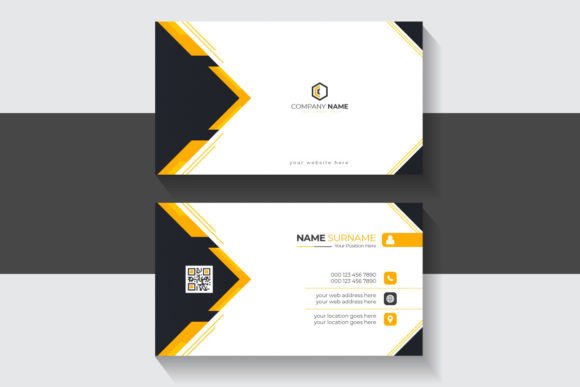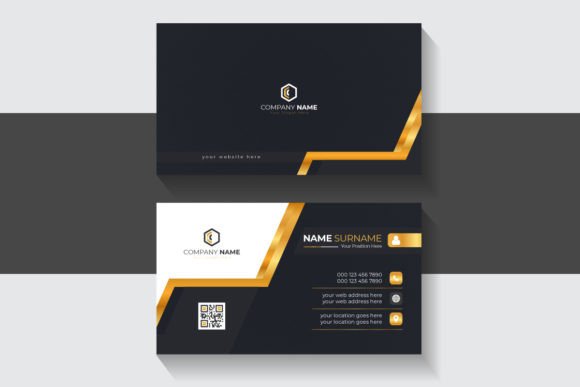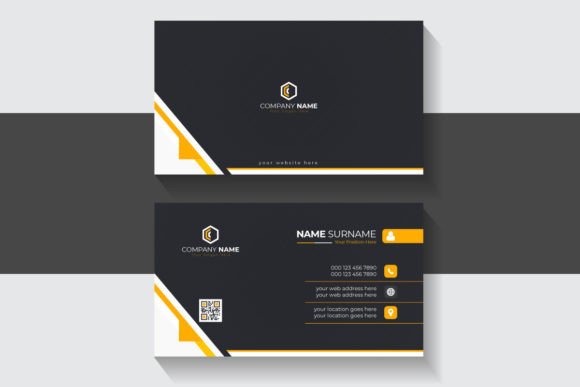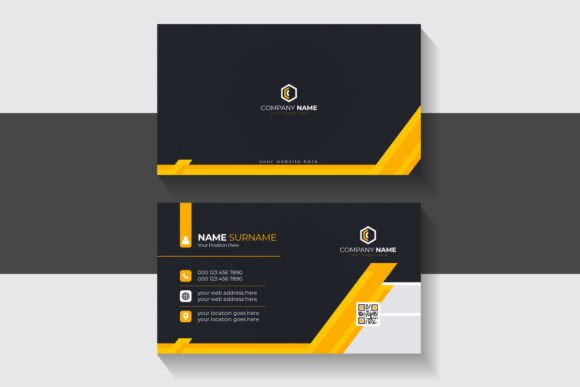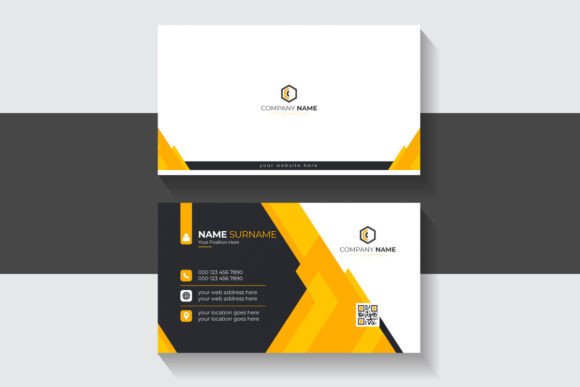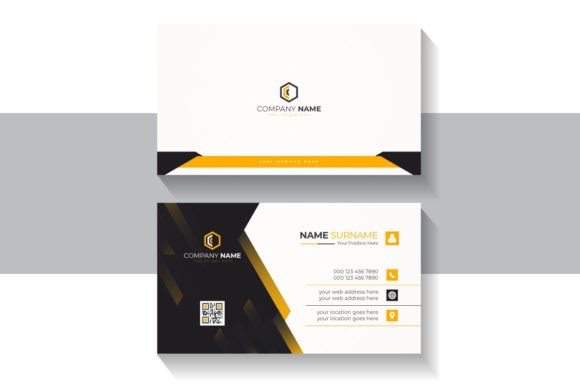
Dark & Orange: A Business Card That Commands Attention
First impressions in business are often silent, visual, and instantaneous. A business card handed over in a meeting or left at a reception desk does more than share contact information; it communicates the very essence of your brand's personality. For those seeking a design that balances sophistication with vibrant energy, the combination of dark and orange creates a powerful visual statement. This isn't just a color scheme; it's a strategic choice for brands that want to appear both established and dynamic, professional yet approachable. The deep, grounding presence of a dark palette, whether it's charcoal, navy, or rich black, provides a canvas of authority and trust. Against this, the strategic pop of orange injects warmth, creativity, and a call to action, making key elements impossible to ignore.
The Psychology Behind the Palette
Understanding why this color combination works so well is key to using it effectively. Dark colors in design are synonymous with luxury, expertise, and stability. They create a sense of depth and seriousness, making your brand appear credible and established. Orange, on the other hand, is the color of enthusiasm, innovation, and friendliness. It stimulates mental activity and encourages social interaction. When paired, they create a perfect visual tension: the dark background makes the orange elements leap forward, ensuring your logo, name, or tagline becomes the focal point. This high-contrast pairing is excellent for readability and ensures your most critical information is communicated instantly, even in a quick glance.
This design approach is particularly effective for a range of industries. A tech startup can use it to signal cutting-edge innovation grounded in reliable service. A creative agency can showcase its bold ideas within a framework of professional delivery. Even a consultancy or financial advisor can use orange accents to highlight their approachable client service, softening the formality of the dark base. The versatility of this template lies in its built-in balance, allowing it to adapt to your specific brand message.
Practical Applications Beyond the Card
While the primary asset is a business card design template, the true value of a well-executed dark and orange color scheme is its seamless transferability across all your brand touchpoints. This consistency is what builds strong brand recognition. Imagine extending this visual language to your entire suite of materials. Your logo, rendered in crisp white or bright orange against a dark background, becomes instantly recognizable. This same treatment can be applied to packaging design, where a dark box with an orange logo or pattern creates a premium, unboxing-worthy experience for customers.
In the digital realm, this palette is a powerhouse. Social media graphics using these colors will stand out in crowded feeds, with orange call-to-action buttons driving higher engagement. Your website can employ a dark theme for a sleek, modern look, using orange for navigation links, highlights, and key conversion points to guide user behavior. For bloggers and content creators, this color scheme can define the look of your editorial layouts, ebook covers, and digital products, giving them a polished, professional aesthetic that builds trust with your audience. Even physical merchandise like tote bags, notebooks, or apparel gains a contemporary edge with this bold yet refined pairing.
Working with the Design Template
A professional business card design template, like the one described with its 1200×800 pixel size and fully editable files, is a starting point, not a rigid cage. The included Adobe Illustrator EPS files and images give you complete control. Here’s how to approach customization to make it uniquely yours:
- Typography is Your Voice: The template includes free fonts, but consider how the typeface reinforces your brand. A clean sans-serif font complements the modern, sharp feel of the dark and orange palette, enhancing readability. A more elegant serif font could add a touch of traditional luxury. Always ensure the font you choose has excellent legibility at small sizes, which is critical for contact information on a card.
- Edit with Purpose: Don't just swap out the placeholder text. Think about information hierarchy. Your name or business name should be the most prominent text element, likely in orange. Contact details should be clear and organized. Use the dark space intentionally—it’s not empty; it’s breathing room that makes the orange elements pop.
- Test Your Pairings: If you’re using this card as part of a larger brand refresh, test the color and font choices against your other assets. Does the orange you've selected match your website's accent color? Does the font family have enough weights (bold, regular, light) to create hierarchy across different materials?
Remember, the goal is visual consistency. The same dark and orange color codes (whether RGB for digital or CMYK for print) and the same primary typeface should be used on your letterheads, invoices, and social media profiles. This repetition is what embeds your brand identity into the minds of your audience, making you more memorable and recognizable.
Making It Work for Your Brand
Ultimately, the success of a dark and orange business card—and any derived brand material—hinges on authenticity and application. It’s a fantastic choice for businesses that want to project confidence and creativity. Before finalizing your design, print a test batch. Colors can look different on screen versus on paper. Feel the stock weight; a thicker cardstock enhances the premium feel suggested by the dark palette. Share the design with trusted colleagues or clients for feedback on clarity and impression.
This design template is more than just a file; it's a toolkit for building a cohesive and compelling visual identity. By leveraging its editable features and understanding the powerful psychology of its color scheme, you can create a suite of marketing assets that not only look professional but actively work to engage your target audience, build recognition, and support your business goals. In a world saturated with visual noise, a well-considered dark and orange palette ensures your brand is seen, remembered, and taken seriously.