Mastering Brand Impact with Dark and Orange Business Card Designs
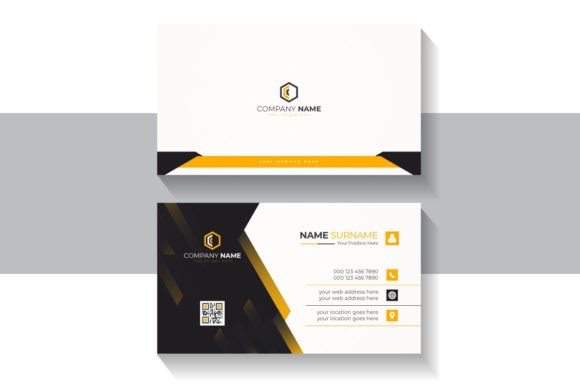
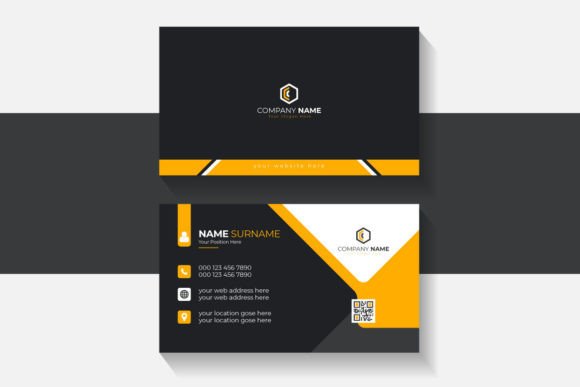
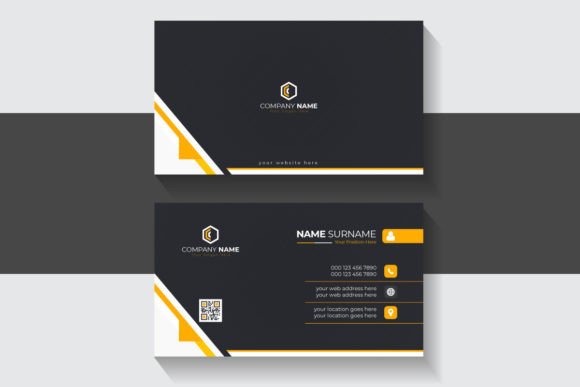
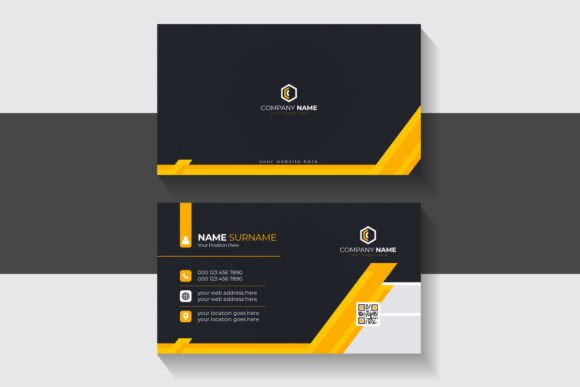
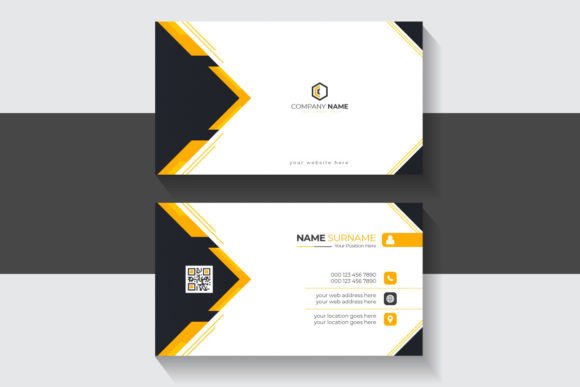
There's an undeniable energy that comes from pairing deep, commanding dark tones with the vibrant punch of orange. It's a combination that speaks of both authority and creativity, confidence and approachability. For professionals looking to make a memorable impression, a business card that leverages this contrast does more than just share contact information—it tells a story. A well-executed design template in this color scheme can become the cornerstone of a brand's visual identity, offering a blend of professionalism and standout appeal that's hard to ignore.
The Psychology Behind a Striking Color Palette
Dark backgrounds, whether deep charcoal, navy, or rich black, convey sophistication, stability, and luxury. They create a stage that allows other elements to shine. When you introduce orange—a color associated with enthusiasm, creativity, and energy—you create a dynamic tension that draws the eye. This isn't just about aesthetics; it's strategic. A corporate dark and orange creative business card design template uses this psychological interplay to position a brand as both established and innovative. The dark base provides the professional foundation, while the orange highlights key information, logos, or calls to action, ensuring they are instantly noticed and remembered.
Practical Applications Beyond the Business Card
While the primary asset is a professional visiting card design layout, the true value of such a versatile template extends far beyond a 3.5 x 2 inch piece of cardstock. The design principles and color system are directly transferable to a wide array of marketing and branding materials.
- Brand Identity Systems: The template's color codes and design language can seed an entire brand kit. Use the same dark and orange palette for letterheads, envelopes, and presentation folders to ensure immediate recognition.
- Digital Presence: Translate the design to social media graphics, YouTube channel art, or Instagram story templates. The high-contrast look is particularly effective for catching attention in fast-scrolling feeds.
- Marketing Collateral: From trade show posters and banners to product packaging and promotional flyers, the bold visual statement maintains consistency across all touchpoints.
- Editorial and Digital Products: The layout's clean professionalism can inspire e-book covers, online course materials, or blog graphics, giving digital products a polished, trustworthy appearance.
Maximizing the Template's Features for Your Project
A quality template is more than just a pretty picture; it's a toolkit designed for flexibility and professional use. Understanding its features allows you to adapt it seamlessly to your specific needs.
The inclusion of fully editable files is paramount. When the template is provided in formats like Illustrator EPS, you're not just changing text—you have the power to adjust every element. This means you can tweak the orange hue to match your exact brand color, rearrange layout components to better fit your logo, or even repurpose graphical elements for other projects. The RGB color mode is ideal for digital applications, ensuring colors look vibrant on screens, though for professional printing, you'll want to convert to CMYK—a simple step in any design software.
The specified size of 1200×800 pixels suggests the template is optimized for digital presentations or high-resolution mockups, perfect for showcasing your final design to clients or on your portfolio. Using the included free fonts eliminates licensing headaches for personal and commercial projects, a crucial consideration for entrepreneurs and small business owners. Always double-check the font's license agreement to confirm it covers your intended use, especially for merchandise or large-scale distribution.
Ensuring Professional Results and Brand Cohesion
Adopting a pre-designed template is a smart shortcut, but the goal is to make it uniquely yours. Start by ensuring all text is not only correct but also reflects your brand's voice. Is your tone formal or friendly? Adjust the wording accordingly. Pay close attention to readability; the contrast between the dark background and orange (or white) text must be sufficient, especially for smaller contact details.
Don't be afraid to explore font pairings. While the template comes with a suggested typeface, you might pair the primary display font with a clean sans-serif for body text to enhance legibility. Test how the design looks when printed on different paper stocks—a matte finish can subdue the orange for a more subdued look, while a glossy coat will make it pop. Finally, step back and view the card as a whole. Does it communicate your core value proposition at a glance? Does it feel cohesive with your website and other materials? A successful design isn't just beautiful; it's a strategic tool that works silently to build brand recognition and trust with every interaction.