Mastering First Impressions: The Power of a Corporate Business Card
In the fast-paced world of business, that initial handshake is often followed by a silent exchange of paper. While we live in a digital age, the tactile experience of a high-quality business card remains a cornerstone of professional networking. It is more than just a piece of cardstock with contact details; it is a physical manifestation of your brand's identity, values, and level of professionalism. For designers, entrepreneurs, and marketing professionals, the challenge lies in creating a card that doesn't just get filed away, but one that leaves a lasting, sophisticated impression. This is where the strategic use of a well-crafted design template becomes invaluable, transforming a simple networking tool into a powerful brand asset.
The Anatomy of Sophisticated Design
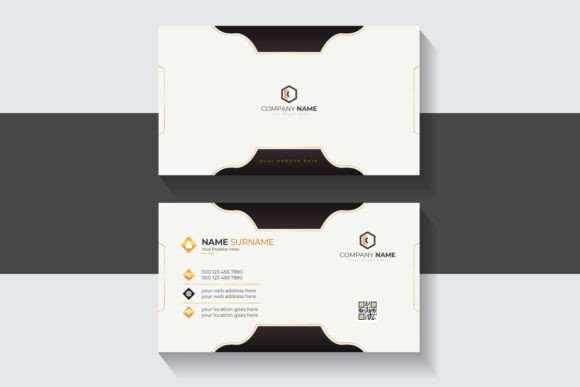
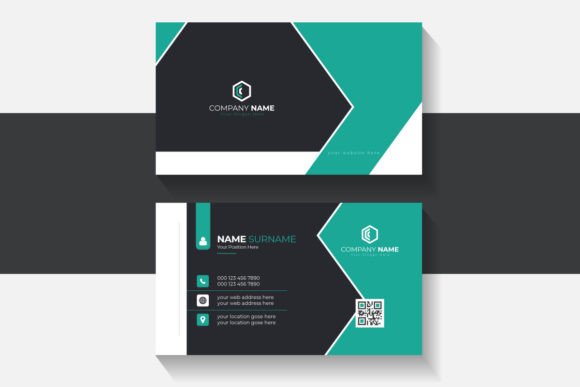
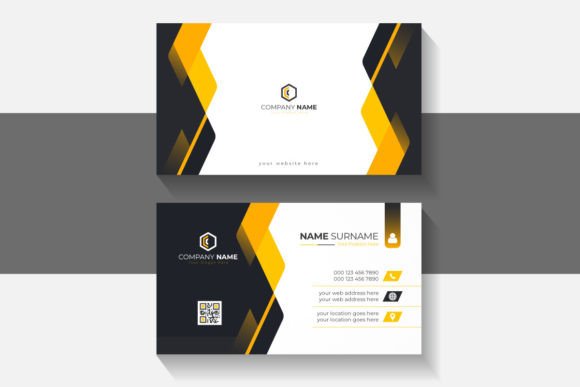
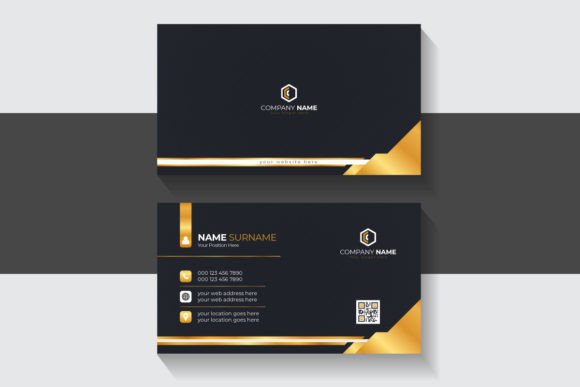
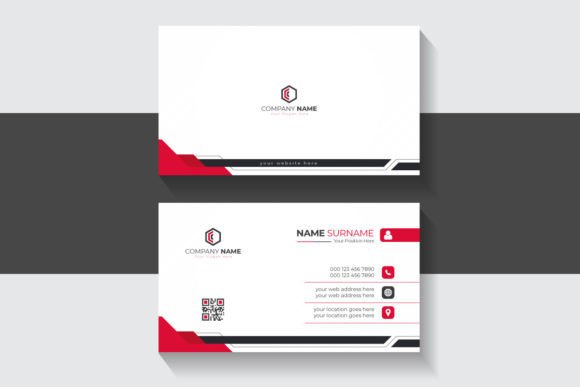
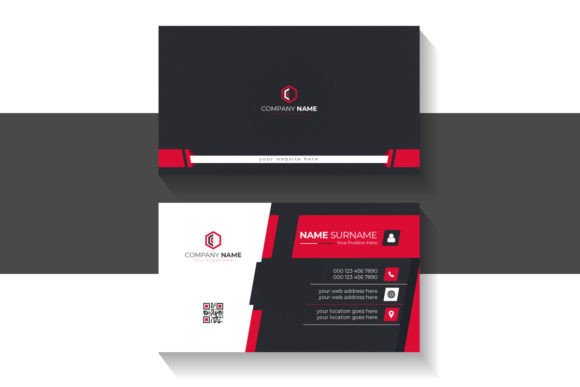
What exactly makes a corporate business card feel "elegant"? It's a careful balance of visual elements that convey trust, authority, and attention to detail. A template designed for this purpose, such as one featuring a striking black and red color palette, leverages psychological principles to its advantage. Black is universally associated with power, sophistication, and formality. When paired with the bold energy and passion of red, it creates a dynamic contrast that is both commanding and memorable. This color combination is a staple in modern corporate branding for a reason—it communicates confidence without a single word.
Beyond color, the structural elements play a critical role. A professional template is built on a foundation of clean lines, ample white space (or negative space), and a clear visual hierarchy. This ensures that the most important information—your name, title, and company—is immediately accessible. The use of vector graphics in such a template is a non-negotiable feature for any serious designer. Vector files, like Adobe Illustrator's EPS format, are resolution-independent. This means whether you're printing a standard 3.5x2 inch card or scaling the design for a poster, every line and curve remains perfectly crisp and clean. This technical quality is the bedrock of a professional presentation.
From Template to Tangible Brand Asset
Viewing a business card template as merely a "fill-in-the-blank" exercise is a missed opportunity. For a small business owner or creative entrepreneur, this design asset is the starting point for a cohesive visual language. The elegance of a black and red corporate card can be extended across a multitude of applications, ensuring brand recognition at every touchpoint. Think of it as the cornerstone of your visual identity system.
The principles of clean typography and bold color blocking found in a strong corporate card design translate seamlessly to other marketing materials:
- Digital Presence: The color scheme and layout style can inform your website's header, social media graphics, and email newsletter templates. A consistent use of these elements builds a recognizable online brand identity.
- Packaging and Merchandise: For product-based businesses, the elegant aesthetic can be applied to packaging design, box sleeves, and even branded merchandise like tote bags or notebooks.
- Print Collateral: The design system extends to letterheads, presentation folders, and invoice templates, ensuring every piece of paper that leaves your office carries the same professional weight.
- Event Branding: From invitations for a corporate event to posters for a conference, the foundational design elements provide a versatile toolkit for creating compelling marketing assets.
By starting with a fully editable vector file, you have the creative freedom to extract specific elements—the precise shade of red, the style of the divider lines, the font pairing—and repurpose them. This not only saves time but guarantees visual consistency, which is fundamental to building trust and brand recall.
Practical Considerations for Flawless Execution
A beautiful design is only effective if it's executed with precision. When working with a premium font or a comprehensive business card template, several practical factors must be considered to ensure the final product is flawless. The first is readability. While a sophisticated serif or sans serif font adds character, it must remain clear at a small scale. Always print a test copy at 100% size to check that contact information is legible, especially in lower-light networking environments. This simple step can prevent a costly print run of unusable cards.
Another crucial aspect is font licensing. A template that includes "free fonts" is a significant advantage, but it's vital to understand the terms. For any commercial project—from client work to your own business—ensure the font license permits commercial use. Reputable design marketplaces are transparent about this, allowing you to use the assets confidently without legal concerns. The inclusion of fully editable files is equally important. The ability to customize every object, color, and text element means the template can be perfectly tailored to an existing brand palette or used as a starting point for a new one. This level of control is what separates a generic download from a valuable design tool.
Finally, think about the physical card itself. The design's elegance should be matched by the paper stock. A heavy, matte cardstock can enhance the sophistication of a black and red design, while a spot UV finish on the logo or text can add a tactile, premium feel. Discussing paper options with your printer can elevate the final product from good to exceptional, making your card a topic of conversation rather than just a piece of contact information.
Ultimately, the goal of an elegant corporate business card is to bridge the gap between a digital introduction and a meaningful human connection. It serves as a physical anchor for your professional reputation, a small but mighty ambassador for your brand long after the initial meeting has ended. By choosing a design that is visually compelling, technically sound, and strategically versatile, you equip yourself with more than just a card—you create a powerful tool for building lasting business relationships.