The Allure of Abstract Minimal Soft and Blue Gradient Backgrounds
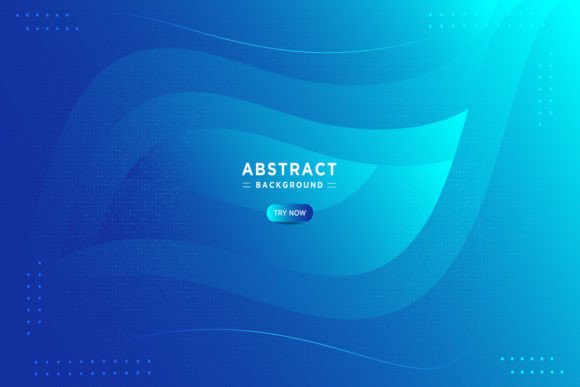
There's an undeniable power in simplicity, especially when it's executed with a touch of sophistication. Imagine a visual element that communicates calm, clarity, and modern elegance without saying a word. This is the essence of the abstract minimal soft and blue gradient. It’s a design trend that has moved beyond fleeting popularity to become a staple in the toolkit of creators who need a versatile, professional, and emotionally resonant backdrop. More than just a pretty picture, this particular style—featuring a trendy simple fluid color gradient with subtle line effects and overlapping round shapes—offers a foundation that can elevate any project from ordinary to memorable.
Understanding the Visual Language of Soft Blue Gradients
What makes this specific aesthetic so effective? The "soft" descriptor is key. Unlike harsh, high-contrast gradients, a soft blue gradient employs a palette that flows gently from one shade to another, often within a monochromatic or analogous color scheme. Blues inherently evoke feelings of trust, serenity, and intelligence, making them ideal for professional and creative contexts. The "abstract minimal" aspect strips away literal representation, focusing instead on shape, color, and form. The inclusion of simple lines and overlapping round shapes adds a layer of subtle complexity and movement, preventing the background from feeling static or sterile. This combination creates a canvas that is both soothing to the eye and rich with potential, allowing foreground elements like text, logos, and products to truly stand out.
Practical Applications Across Creative and Commercial Projects
The true value of a resource like the Abstract Minimal Soft and Blue Gradient background lies in its sheer versatility. It’s not confined to one niche; it serves as a foundational design asset for a multitude of purposes. For branding and logo design, it can establish a core visual identity that feels contemporary and trustworthy. A soft gradient can become a recognizable brand color, used consistently across packaging design, social media graphics, and web design to build immediate brand recognition.
For content creators and marketers, it’s a lifesaver. It works beautifully as a background for Instagram stories, YouTube thumbnails, or Facebook cover photos, providing a polished look without distracting from the message. In editorial design, it can set the tone for a magazine cover or a book’s interior chapter pages. Small business owners can use it for print materials like flyers, business cards, and posters, ensuring their promotional items look professional and clean. Even for personal projects—like wedding invitations, blog headers, or digital planners—this gradient style adds a layer of refined aesthetic appeal.
Maximizing Impact: From File Features to Final Design
A beautifully designed asset is only as good as its usability. This is where the technical specifications become crucial for a smooth workflow. The inclusion of Fully Editable Files in formats like Illustrator EPS is a game-changer. It means you aren't just using a static image; you're working with a flexible component. Need to adjust the gradient to match a specific brand color palette? Easy. Want to modify the opacity of the overlapping shapes or remove the line effect entirely? The control is in your hands. This level of editability ensures the asset can be tailored to fit any project's unique requirements, from a minimalist website banner to a vibrant poster for an event.
The specified Size 1200×800 pixel dimension is a practical starting point, suitable for many digital applications. The RGB Color Mode is optimized for screen-based projects, ensuring colors render correctly on monitors and devices. Furthermore, the mention of Free Font Used is a significant benefit, offering a complete, ready-to-use package that respects your budget and simplifies the design process. Always remember to review the licensing for any included fonts to ensure compliance for your intended commercial or personal use.
Integrating This Aesthetic Into Your Design Strategy
Adopting a visual trend like the abstract soft blue gradient should be a strategic choice. Start by considering your project's goals. Is the aim to convey innovation? Calmness? Creativity? This background supports all of these. When matching typography to project goals, pair this fluid, modern background with clean, legible font pairings. A modern sans-serif font often works harmoniously, but don't be afraid to experiment with a serif font for contrast or a subtle script font for a touch of elegance. The key is to maintain readability—ensure your text has sufficient contrast against the gradient's lighter and darker areas.
Use the gradient to create hierarchy. Place your most important text or a key logo design element in an area where the color is most uniform or lightest. Use the movement of the lines and shapes to guide the viewer's eye toward your call to action. Think of this background not as a finished piece, but as a sophisticated starting point—a premium font for your visual space that you can customize to tell your unique story. By leveraging its editable nature and timeless appeal, you create a cohesive and engaging visual experience that resonates with your audience and strengthens your overall brand identity.