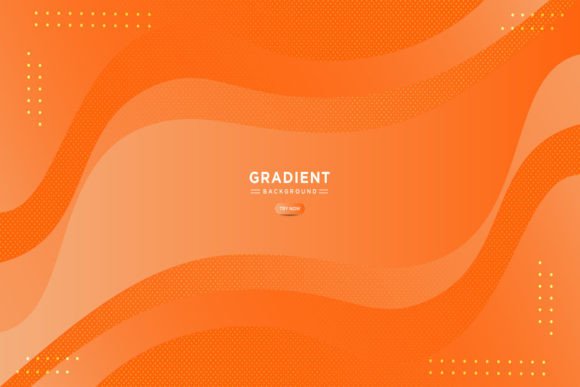
The Art of Motion: Mastering Simple Fluid Color Gradient Backgrounds
There is an undeniable magnetism to a design that feels alive. In the vast landscape of digital assets, static images often fade into the noise, but a Simple Fluid Color Gradient Background captures the eye with a sense of movement and depth that flat colors simply cannot achieve. This specific style—characterized by its abstract gradient waves and overlapping layers—has become the gold standard for modern visual communication. It strikes a perfect balance between the minimalism required for professional branding and the artistic flair needed to capture attention on social media and print materials alike. If you have been searching for a way to make your next project feel contemporary, cohesive, and visually sophisticated, understanding how to leverage this "liquid" aesthetic is your first step toward creating designs that truly resonate.
The Psychology of Flow: Why Abstract Gradient Waves Work
Visual communication is rarely just about looking good; it is about evoking a specific emotion. A Simple Fluid Color Gradient Background leverages the psychology of color theory and organic shapes to create a calming yet engaging atmosphere. Unlike rigid geometric patterns, the "fluid" aspect of this design style mimics nature—think of the swirl of aurora borealis or the blending of pigments in water. This organic movement subconsciously signals creativity, flexibility, and innovation to the viewer.
The specific "overlap layer" technique used in this style adds a crucial element of depth. By allowing colors and shapes to sit atop one another with varying levels of opacity, the design creates a three-dimensional space on a two-dimensional plane. This is particularly effective for branding because it suggests that a business is multi-faceted and sophisticated. For content creators and marketers, this style provides a "trendy" backdrop that feels current without being fleeting. It avoids the trap of overly complex illustrations that might date a design within a year, offering instead a timeless modernity that adapts to various contexts.
Technical Excellence: The Power of Vector and RGB
One of the most significant hurdles designers face is scalability. A beautiful background is useless if it becomes pixelated when printed on a large banner or zoomed in on a high-resolution display. This is where the technical specifications of the asset become paramount. Designed specifically in RGB Color Mode, this background is optimized for the digital screens where most of your audience lives. RGB offers a wider gamut of vibrant, saturated colors compared to CMYK, ensuring that your gradients look electric and vivid on monitors, tablets, and smartphones.
Furthermore, the inclusion of Illustrator EPS Files is a game-changer for professional workflows. Raster images (like JPEGs or PNGs) are fixed in resolution. If you try to scale them up, you lose quality. However, because this asset is vector-based, you can scale the Simple Fluid Color Gradient Background to fit a massive trade show booth or shrink it down for a favicon without losing a single pixel of clarity. The fact that all objects, colors, and text are editable means you are not just buying a static image; you are buying a customizable template. You can adjust the hue to match a specific client's brand guidelines or reshape the waves to accommodate a specific layout, giving you total creative control.
Practical Applications: From Screen to Print
The versatility of a fluid gradient is perhaps its greatest asset. It acts as a visual chameleon, adapting seamlessly to a wide array of projects. Here is how different professionals can utilize this style to elevate their work:
- Brand Identity and Logo Design: A logo needs to stand out, but it also needs a home. Using this gradient as a background element in your brand guidelines or on your business cards adds a layer of polish that signals professionalism. It works exceptionally well with sans-serif typography, creating a high-contrast, readable look.
- Social Media and Content Creation: Algorithms favor engagement, and eye-catching visuals stop the scroll. Whether you are designing Instagram stories, YouTube thumbnails, or Facebook cover photos, the abstract wave effect provides a vibrant canvas that makes text overlays pop. It is perfect for quote graphics or promotional announcements.
- Web Design and Digital Products: In the realm of UI/UX, gradients are used to guide the eye. This background can serve as a hero section image for a landing page, creating an immersive experience that draws visitors into the content. It is also ideal for digital product mockups, ebook covers, and online course materials.
- Packaging and Merchandise: The "lines effect" and fluid motion translate beautifully to physical products. Imagine this design wrapping around a coffee cup, printed on a tote bag, or serving as the background for a product label. The high-quality vector files ensure that the print production results are crisp and professional.
- Editorial and Print Layouts: For magazine covers, brochures, and flyers, this background adds a modern edge. It pairs beautifully with minimal design layouts, allowing the main content to breathe while still providing visual interest.
Optimizing Typography and Composition
A background is only as good as the foreground elements that sit upon it. When working with a Simple Fluid Color Gradient Background, typography selection is critical. Because the background features movement and color variation, you need a typeface that is highly legible. A sans serif font is often the best choice here, as the clean lines provide a necessary anchor against the fluid motion of the waves. However, a bold serif font can also work for a high-fashion editorial look, provided the contrast is sufficient.
The asset comes with a free font used in the preview, which is a great starting point, but the true value lies in the fully editable nature of the files. You should experiment with font pairings. Try a heavy, bold headline font paired with a light, airy body font to create hierarchy. Ensure that your text color contrasts sharply with the specific gradient area behind it. If the wave behind your text is a deep purple, your text should be white or a very light pink. If the wave is a bright cyan, dark navy text will stand out perfectly.
Maximizing Your Design Asset Investment
For small business owners and entrepreneurs, budget and time are finite resources. Investing in a high-quality asset like this background set is about efficiency. You are essentially purchasing a "professional and clean" foundation that eliminates the need to build complex gradients from scratch. The 1200x800 pixel base size is a versatile starting point, perfect for web headers and standard digital formats, while the vector nature allows for infinite expansion.
When incorporating this design into your workflow, consider the concept of "visual consistency." By using variations of this gradient across your different platforms—using the "Abstract gradient wave background" on your website and the "Trendy simple fluid color gradient" on your social media—you create a cohesive ecosystem. This repetition helps build brand recognition. Your audience will begin to associate those specific colors and that fluid motion with your identity, making your content instantly recognizable even before they read the text.
Ultimately, the goal of any design asset is to remove friction from the creative process. With a Simple Fluid Color Gradient Background, you have a versatile, scalable, and trendy tool that adapts to your vision. Whether you are crafting a corporate presentation or designing merchandise for a creative brand, this style ensures your work looks polished, modern, and ready for the future.